

Unveiling opportunities and mitigating risks
When you’re considering an investment opportunity, detailed due diligence is an essential part of the process to, ensure you know everything you need to before making a decision.
While specifics vary from assignment to assignment, all due diligence projects should answer the following fundamental questions:
- Is this business an attractive investment proposition or not?
- Are there any risks, threats, or other issues I need to be aware of in this business?
- What does an appropriate valuation of this business look like?
At Wilson Partners, all our due diligence assignments are director-led, blending deep expertise with a practical and pragmatic approach you’d expect from highly-experienced professionals.
Learn more about due diligence in the FAQs below, or visit our Corporate Finance page.

Seeking investment guide
At Wilson Partners we specialise in SMEs and we have a passion for innovators, our R&D team help start-ups and SMEs across the South of England claim…

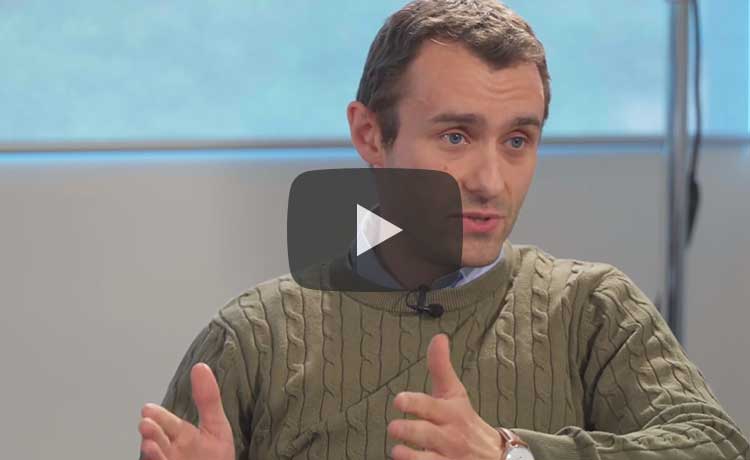
Tom Bradbury, Wilson Partners

FAQs
Due diligence is a comprehensive assessment process performed by investors ahead of completing a transaction. It aims to provide assurances and comfort that the asset they are investing in meets their expectations. Due diligence encompasses various streams of focus, including legal, financial, tax, commercial, technological, and environmental due diligence. At Wilson Partners, we provide financial and tax due diligence services, analysing a target’s assets, financial history and future forecasts enabling us to, among other things, understand its true profitability and thus opine on valuation and the achievability of future prospects. Our tax due diligence is performed by our in-house Tax Team and covers everything from essential compliance confirmation through to in depth tax implications of each transaction.
Due diligence and audits serve different purposes at different stages in a business’s journey. Due diligence is an investor centric, deep dive into the company, focusing on specific assurances for the investor. Conversely, audits are aimed at providing assurance on a company’s last set of accounts to a broader group of stakeholders and are in most cases a mandatory requirement. As such, audits are more highly regulated, with a more prescribed approach, typically involving higher levels of detailed testing then due diligence.
Whilst due diligence reports are prepared in the first instance for one party, the investor and other interested parties in the transaction may also rely on them. These parties can include banks (if they are providing financing to support the transaction), lawyers and other streams of due diligence.
Vendor due diligence (VDD) refers to a due diligence process performed on behalf of the sellers, instead of the investor. The VDD is typically prepared earlier on in the wider transaction process than an investor-led due diligence exercise and will be provided to interested parties. Similarly to investor-led due diligence, VDD reports potential risks in the target company, albeit allowing sellers to address these risks proactively. Additionally, VDD highlights opportunities within the business, which can be beneficial when potential bidders evaluate the purchase.
Over the past 18 to 24 months, we have seen a noticeable trend towards requests for vendor due diligence (VDD) services. Sellers are recognising the benefits of VDD, especially in transactions where the overall deal value falls within the range of approximately £15 to £50 million (and higher) and VDD may historically have not been considered. This was likely due to sellers not seeing the cost benefit of investing in VDD, whereas the certainties and reduced execution risk of a transaction obtained through VDD have become increasingly appealing in the current economic climate.
Top-up due diligence occurs when an investor approaches an opportunity for which some form of due diligence has already been prepared (not necessarily by the same party). In this scenario, due diligence experts review the existing reports, assess any gaps or updates as needed, and tailor a top-up piece of due diligence. The goal is to ensure that the buyer has comprehensive and up-to-date information to inform their decision making process, without duplicating any previous efforts.
Compliance plays a significant role in due diligence. Beyond profitability, it involves evaluating whether the target company carries any hidden risks or liabilities. This assessment goes beyond the obvious and delves into any potential, and often hidden, post-transaction surprises. For instance, reviewing tax liabilities and interrogation of commercial arrangements that may give rise to liabilities that have not already be accounted for.
Yes, due diligence is constantly evolving to address changing trends. One notable example is Environmental, Social, and Governance (ESG) considerations. Integrating environmental impact, social responsibility and governance practice assessments into due diligence helps buyers make informed decisions aligned with sustainability and ethical standards.
Beyond technical expertise, Wilson Partners stands out through its collaborative approach. We view ourselves as an extension of our clients’ teams, not just external advisors. Throughout the due diligence process, we actively share analysis, calculations, and findings with our clients in real time. Our “data book” serves as a central repository, allowing clients to review, gain insights, and incorporate our work seamlessly. This continuous information sharing sets us apart, ensuring that our final report aligns closely with the collaborative process we’ve undertaken and, importantly, there are no last-minute surprises.
A successful due diligence process involves transparent and open communication with the client. Before the transaction begins, we discuss key areas of focus, ensuring alignment. By maintaining this approach throughout, we enhance the quality of due diligence. When done well, due diligence becomes a dynamic discussion, empowering clients to make informed decisions based on shared insights and thorough analysis.

Together thinking

Mileage rates are increasing: What Should Businesses do next


UK lower mid-market M&A: YTD review and YTG outlook (2026)


Autumn Budget overview – November 2025

Accounting services – Beyond IPO

Funding options for UK clean tech and circular economy businesses


Consultation launched on details for High Value Council Tax Surcharge

Our people
It’s all about the people! We work hard to maintain our unique culture and recruit those who share our passion for client service, the value we can add to those around us and our never-ending quest to develop ourselves and our clients.

Sadie Brooksbank

Connell Musgrave

Emma Richards

Tom Rowlands

Jaydene Coetzer

Griffin Solomons

Debbie Huntley

Will Curwen

Hannah Burke